

If you missed the RESACON Ask the Experts panel this year, you truly missed something special. As the moderator, I had the pleasure of facilitating an inspiring conversation filled with candid insights from some of the top names in our staging industry. Here’s a recap of the valuable RESACON home staging expert advice shared during this impactful session.
Cheryl Eisen (Interior Marketing Group) returned to RESACON for the second time and once again, she didn’t hold back. As one of the most recognizable names in the home staging world, Cheryl shared candid, tactical insights from her journey scaling IMG into a luxury powerhouse in New York City.
She took us back to the early days of her business, describing the moment she realized she needed to think bigger—and get seen:
“The most effective thing I did early on was write my own articles and send them out wherever I could. That’s what really got me picked up as an expert in the industry.”
That PR hustle paid off—big time.
“We got tons of calls from reporters. One of them was The New York Times, and they put us on the cover of the real estate section. It transformed the business overnight. Literally, we doubled every year after that.”
But it wasn’t just PR that made IMG a standout—it was Cheryl’s intentional branding and marketing strategy. She talked about the importance of every single detail, from photo styling to website presence to client experience.
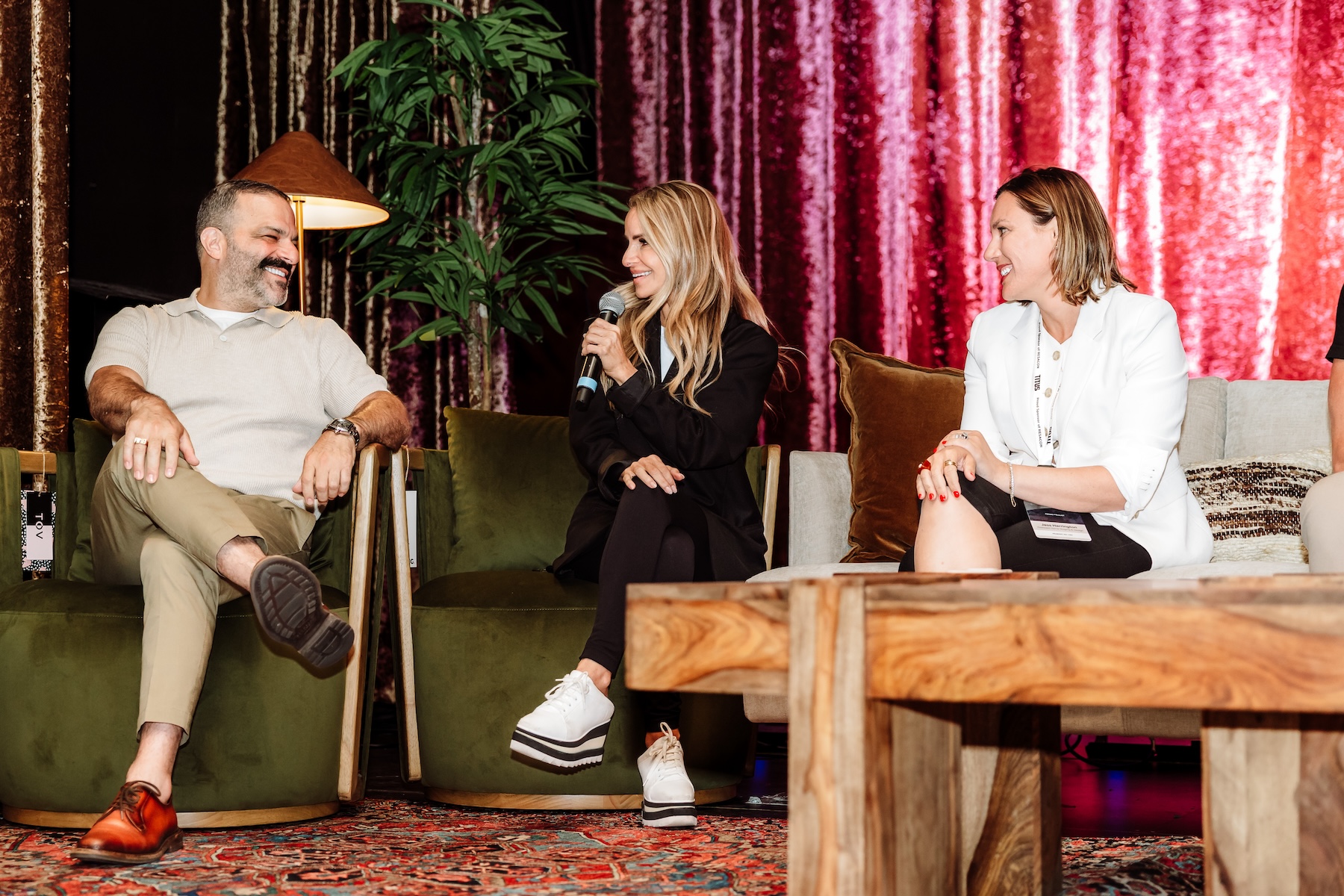
Jason Saft (Staged to Sell Home) known for his elevated aesthetic and tailored marketing approach, shared real-world insights from building a brand that’s as consistent as it is creative.
From the jump, Jason emphasized that you don’t need to reinvent the wheel to be impactful—you just need to be intentional:
“Don’t continually try and reinvent the wheel. Think about how to take one thing and put it into four or five different components. Not everyone is on Instagram, not everyone is on email, not everyone is at an open house. But if you cover each of those things, you’ll get to most everybody.”
This philosophy of strategic repurposing allows Jason to extend the life and reach of every staging project, turning one install into layered content across multiple platforms. He described his process for distilling the story of a space:
Jess Harrington (Finessed Home Staging) candidly addressed the realities of running a staging business, sharing personal insights on balancing creativity with business demands. She was particularly open about the realities of managing her growing business and her creative team. She highlighted the delicate balance between providing direction and granting autonomy, noting,
“My business is still pretty young, and I’m still the COO, the CFO, and everything else. Maintaining quality and keeping your pulse on the brand is a lot. It’s really hard when you’re still in a younger business phase.”
To address this challenge, Jess shared her approach of bringing on a dedicated creative director:
“I brought someone on—Meredith. She joined as our creative director. I’m running the business, but felt like bringing someone on that has a ton of experience in visuals was a great asset for me. Her work just blows me away. I’m still sourcing a lot of the furniture, so I feel like I have my mark on it, but it’s hard to teach style. Sometimes you just know it when you see it.”
Her honesty about the practicalities of business growth resonated deeply, reminding attendees that scaling is a journey requiring both strategic hiring and the willingness to trust others with your vision.
Grant Finley Shiras (Dekora) spoke clearly about the importance of tracking effectiveness of marketing initiatives:
“If you track your activities, you’ll figure out what to double down on and what is a dud and what is a stud.”

He also went deeper into managing employees and creating a structure that supports both creativity and results. Grant shared a conversation he had early on with his team:
“We met with the stylists and they said, ‘Sometimes we want to do the design our own way, and Mikayla [our GM] says it has to be done a certain way.’ So I asked, ‘Why do you want to change things?’ and they said, ‘To grow as designers.’ I explained, ‘The goal is to stage homes so they sell. That thing you want to do might not work—and it could make you look like a bad designer.’”
Rather than shutting down creativity, Grant reframed the role of boundaries:
“The rules and boundaries and the way that Dekora wants you to stage a home is not to confine you. It’s to make you a great stager. It’s to help you style a home so it sells really well.”
“We got clear on our principles and boundaries so it feels like you have autonomy. As long as you’re checking these boxes—go do whatever you want. That gives the feeling of creative freedom within a proven structure.”
This clarity has helped reduce confusion and conflict within the team, while giving stylists room to grow. His leadership style offers a powerful model for staging business owners who are ready to scale while maintaining brand standards and delivering consistent results.
Margaret Schaffer (REH Interiors) brought thoughtful perspective on what it takes to scale a business while maintaining excellence. Her background in luxury design and her experience managing teams gave attendees a clear look at the operations behind a polished staging brand.
She reminded the audience that the work speaks for itself—especially in an industry where you’re not always there to explain your creative decisions:
“Your finished piece is a calling card of your work. You’re not going to be there to defend it, so ensure it speaks volumes.”
Margaret also dove into how she keeps her large team aligned and motivated without micromanaging.
“We have a set of staging principles everyone follows, so even though we have multiple designers and stylists, our work still feels cohesive. That consistency builds trust with agents and clients—they know what to expect from us.”
Her advice was a blend of operational clarity and creative vision—emphasizing that scaling doesn’t mean giving up control, it means developing systems that reflect your values and allow others to rise within your business.
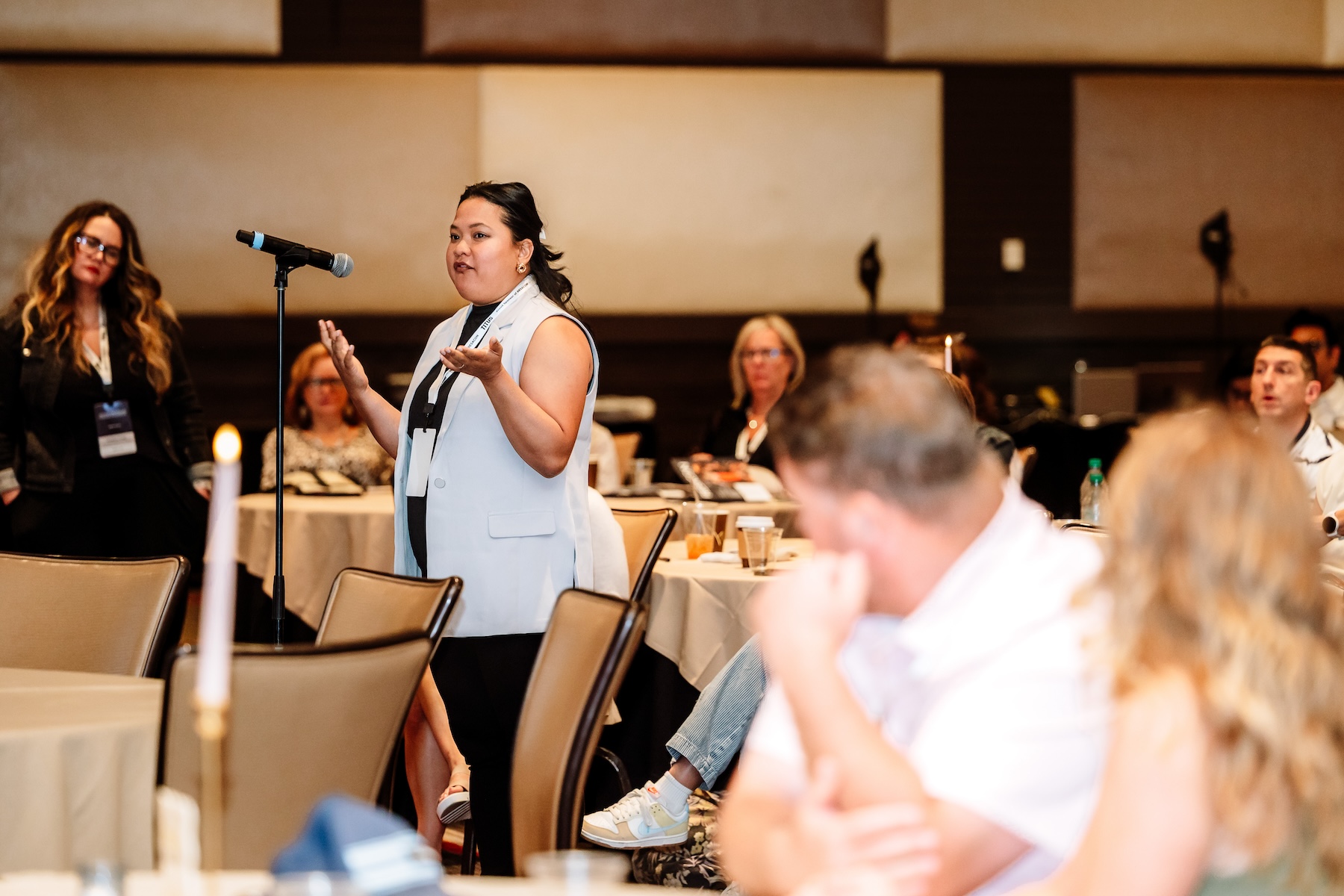
Kishah Langham (Texas Stagers — Houston, TX) brought heart, grit, and straight talk. A Houston-based stager and mentor, Kishah shared how she manifested her way from early, low-budget projects into River Oaks and Post Oak luxury—and why gratitude and boundaries now anchor her leadership.
“I remember when I left Wisconsin… driving in Houston and looking at those huge houses… I’m going to be in those houses designing and staging. I’m a big manifester.”
She was candid about the toughest part of growth: protecting trust, work product, and client relationships—while still leading publicly as a chapter/state leader. Boundaries aren’t optional for her; they’re policy.
“You can’t show up to my stage with your cameras, with your phones anymore. Leave them in the car… people were using my images as their own and going behind my back to my agents.”
Kishah also modeled personal development as business strategy—getting a coach to work through trust issues and acknowledging how our lives bleed into our companies.
“Whatever you’re going through in your personal life is going to bleed over into your business and vice versa.”
Looking ahead, she’s building in partnership—with trust rebuilt and shared leadership creating more room for growth.

Couldn’t make it to RESACON this year? You can still be in the room. We recorded the Closing “Ask the Experts” session for the first time, and it will premiere on YouTube on Friday, August 15, 2025 at 9:00 AM Pacific (PT).
After it airs, the full recording will remain available to replay and share with your team.
If this recap was helpful, let us know below.

- Inside the Charlestown Home That Sold $251,000 Over Asking - September 11, 2026
- A San Francisco Classic, a Fresh Perspective, and a Sale $1.75 Million Over Asking - September 10, 2026
- Andover, KS Home Staging: How Sweet Oakes Prepared a Listing That Sold Over Asking - September 10, 2026

