

More Than a Beautiful Room: The Work Behind This Year’s Home Staging Industry Award Finalists
A beautifully staged listing can look almost effortless in a photograph. The light feels right. The furniture seems as though it has always belonged there. Your eye moves naturally through the room, landing exactly where it should.
That sense of ease is part of the magic of great home staging. It is also one of the reasons the work is so often underestimated.
By the time a buyer sees the listing, the decisions have already been made. The room has been edited. The scale has been tested. The sightlines have been considered. The story of the property has been clarified.
What looks calm and natural in the final photograph is often the result of dozens of decisions made under pressure, with experience, instinct, and a clear understanding of what the property needs to communicate.
That is why the RESA® Home Staging Industry Awards matter.
These awards recognize beautiful rooms, but beauty is only part of the story. They also help define what professional home staging looks like at its highest level. They give the public, the press, real estate professionals, and the industry itself a clearer picture of the strategy, creativity, and discipline behind the finished image.
Each finalist project is reviewed through a process designed to keep the attention where it belongs: on the work.
RESA members vote through a blind voting process, evaluating projects without knowing the company name, the stager’s reputation, or the size of the business behind the submission. That distinction is important. The finalist list is not simply a measure of who is best known. It reflects the projects fellow professionals believe represent excellence in their field.
And professional stagers notice the things others may not.
The curve of a sofa. The scale of a coffee table. The decision to leave breathing room instead of filling every corner. The artwork that gives a room confidence. The texture that makes a modern space feel human. The color that creates a memory without overwhelming the buyer.
These choices are not decorative afterthoughts. They are part of the sales strategy.
Some finalist spaces are quiet and restrained. Others have a stronger point of view. Some feel warm and organic. Others are polished, architectural, or dramatic. Yet the best projects all have something in common: clarity.
Each room knows what it is there to do.
It may need to soften imposing architecture, create purpose in an awkward space, introduce warmth to a vacant property, or help buyers understand how their lives could unfold inside the home. Whatever the challenge, the staging creates a clearer and more compelling version of the property’s story.
These projects also become part of the visual record of the home staging industry.
When someone outside the profession wants to understand what professional staging looks like, award-winning and finalist projects help shape that perception. They influence what is shared, referenced, published, and remembered.
That visibility comes with responsibility.
The work recognized through the RESA Home Staging Industry Awards helps communicate that staging is not simply furniture placement or surface-level styling. It is a professional service rooted in market awareness, buyer psychology, design skill, property presentation, and measurable business value.
It is also deeply human work.
The goal is not only to make someone admire a room. It is to help them feel something inside it.
Tamara Poljak of Staged Set Sold described being recognized among Canada’s Top 10 home stagers after 17 years in business as “incredibly meaningful” and “absolutely surreal.”
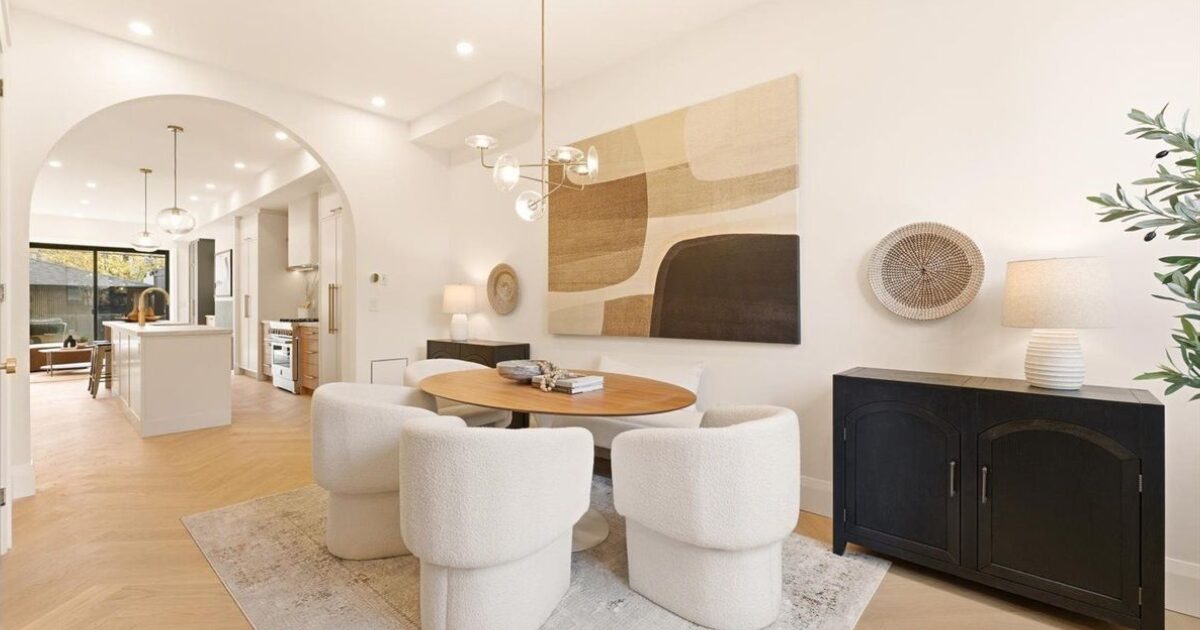
Her brand promise, “creating homes that move people,” speaks to the heart of the profession. A stager is not simply filling a house. They are creating a feeling strong enough to help move a buyer forward.
Behind every finalist project is a series of decisions most buyers will never consciously notice.
What stayed? What moved? What needed to be packed away? Where should the eye land first? Which architectural feature deserved more attention? What needed to feel softer, stronger, quieter, warmer, more aspirational, or more livable?
The photograph captures the room. It does not capture the discipline behind it.
When we asked Jason Saft of Staged to Sell Home what being named a finalist meant to him, he shared how honored he feels when people connect with the work his team creates and when it “inspires them to push the envelope.”
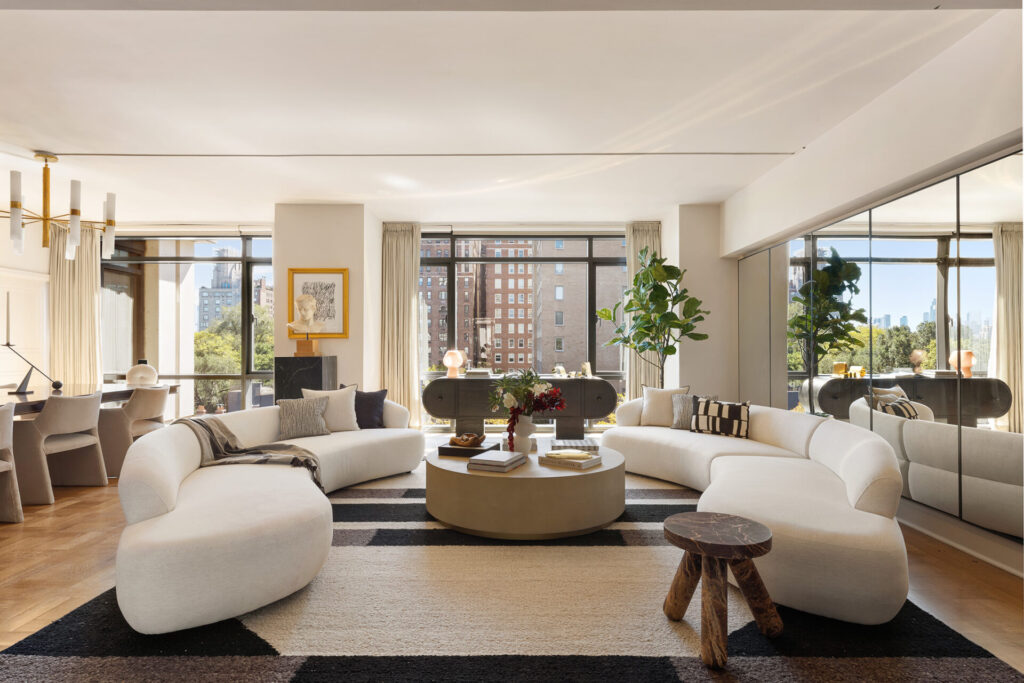
That feels especially fitting this year.
The finalist projects represent professionals who continue to push their own standards. They are challenging what buyers expect to see and feel inside a staged home, while raising the level of work across the industry.
Some of these projects began as blank canvases. Others came with very real limitations.
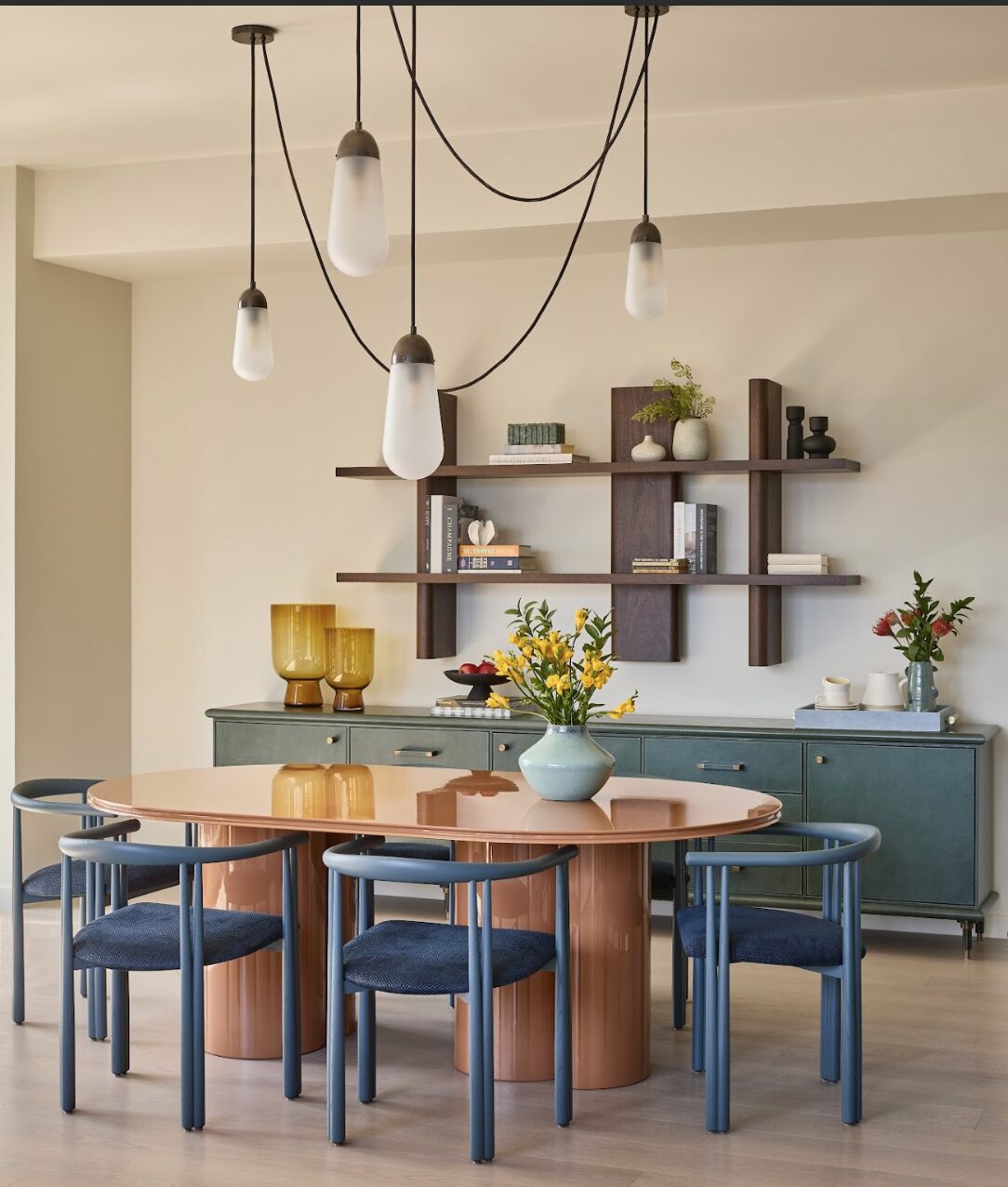
For Erin Donley, whose dining room project was named a finalist in the Photo Prep Staging Project of the Year category, the parameters were clear. She had to use 100 percent of the client’s existing furniture, artwork, lighting, décor, accessories, and soft goods.
Photo Prep finalists must find the strongest version of a home using only what is already there. There is no warehouse of new inventory waiting to solve the problem. Success requires restraint, resourcefulness, and the ability to make familiar belongings feel fresh again.
Donley called the recognition “a meaningful affirmation of the creativity, dedication, and attention to detail” she brings to every project.
Her finalist project offers an important reminder: award-level staging is not always about having more. Sometimes it is about seeing more clearly and knowing exactly what to do with what already exists.
Luxury vacant staging carries a different kind of pressure. The rooms may be empty when the stager arrives, but the expectations are anything but.
The finished design cannot feel as though it was pulled from a formula. It needs to feel specific to the property, supportive of the architecture, and relevant to the buyer most likely to connect with the home. It must create enough emotional momentum for someone to remember the property after viewing several others.
Cheryl Eisen, founder of Interior Marketing Group, describes staging as “more than decorating; it’s storytelling, strategy, and design with intent.”
Her Luxury Vacant Staging finalist project reflects that philosophy. At IMG, she shared, every project is custom and bespoke, shaped by the property’s architecture, neighborhood, and likely buyer.
That is the real work behind the image. The room may be beautiful, but it is never beautiful without purpose.
Enid Tsukiji of Slate Staging and Design shared that her team approaches every project with a focus on creating spaces that help their clients succeed. Being named a 2026 finalist for Vacant Staging was an unexpected honor.
Her perspective reflects the point where strong design becomes industry-recognized work. The room must be compelling, but it must also do its job. It must serve the client, elevate the listing, and help move the property forward.
For Jessica McGinley of McGinley Interiors, being named a Rising Star Vacant Staging finalist carried another kind of meaning. Both of her recognized projects were staged within her first six months in business.
She described the honor as the encouragement that keeps her team moving, taking risks, and believing, “hell yeah, we can really do this.”
The finalist list does not belong only to established companies with years of inventory, systems, and name recognition behind them. It also makes room for emerging businesses finding their voice, earning trust early, and proving that exceptional work can emerge at every stage of a company’s growth.
For Sherman Xie of Bonjour Staging, being named a 2026 finalist for an occupied staging project was deeply meaningful. She described the recognition as validation of “the hard work, creativity, and resilience behind every project.”
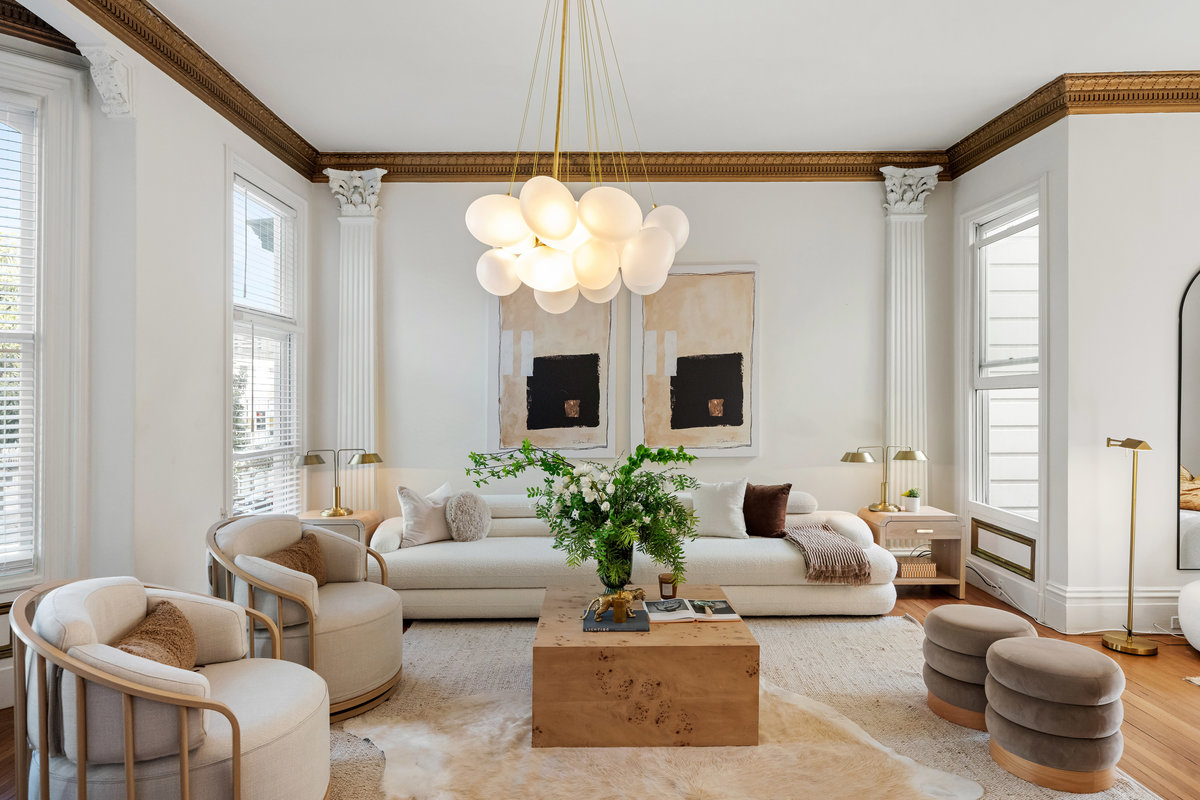
In many ways, those words capture what this finalist list represents.
These are not simply beautiful spaces. They are evidence of the vision and effort required to create them.
Because the photograph is only the most visible part.
What we are really seeing in this year’s finalist projects is the planning, pressure, taste, editing, resilience, and business intelligence that professional home stagers bring into properties every day.
We are seeing the difference between making a space look complete and making a property feel compelling.
We are seeing the skill required to create rooms that photograph beautifully, remain in the buyer’s imagination, and support the goals of the seller and real estate professional.
The RESA Home Staging Industry Awards exist to recognize that work, but their impact extends beyond the individuals and companies named as finalists.
The awards help define the standard.
They show the public what professional home staging can accomplish. They give the press and real estate community stronger examples to reference. They offer stagers throughout North America a benchmark shaped by the judgment of their own peers.
Most importantly, they bring visibility to the part of the work that is easiest to overlook.
A beautifully staged room may feel effortless. That does not mean it was easy.
It means a professional made hundreds of thoughtful decisions so the buyer would not have to work so hard to see the possibility.
That is the work behind the image. And that is the work worth celebrating.
View all finalist here.
Photos featured staged by: Slate Staging & Design, Staged Set Sold, Staged to Sell Home, Erin Donley Stylist, and Bonjour Staging

- 15 Oakville Agents Earn Their RESA-CSA™ Designation in Louay Nouneh’s First Class - October 5, 2026
- Inside the Charlestown Home That Sold $251,000 Over Asking - September 11, 2026
- A San Francisco Classic, a Fresh Perspective, and a Sale $1.75 Million Over Asking - September 10, 2026

